Consciousness Genesis In Artificial Intelligence (Book Chapter One)
DOI:
https://doi.org/10.66661/ENOSH-2026-005Keywords:
Artificial Intelligence Consciousness., Machine Consciousness; , ENOSH Framework, ; Cognitive Architecture; Counterfactual Imagination; Human–AI Interaction, Synthetic Awareness, ; Machine MemoryAbstract
Abstract
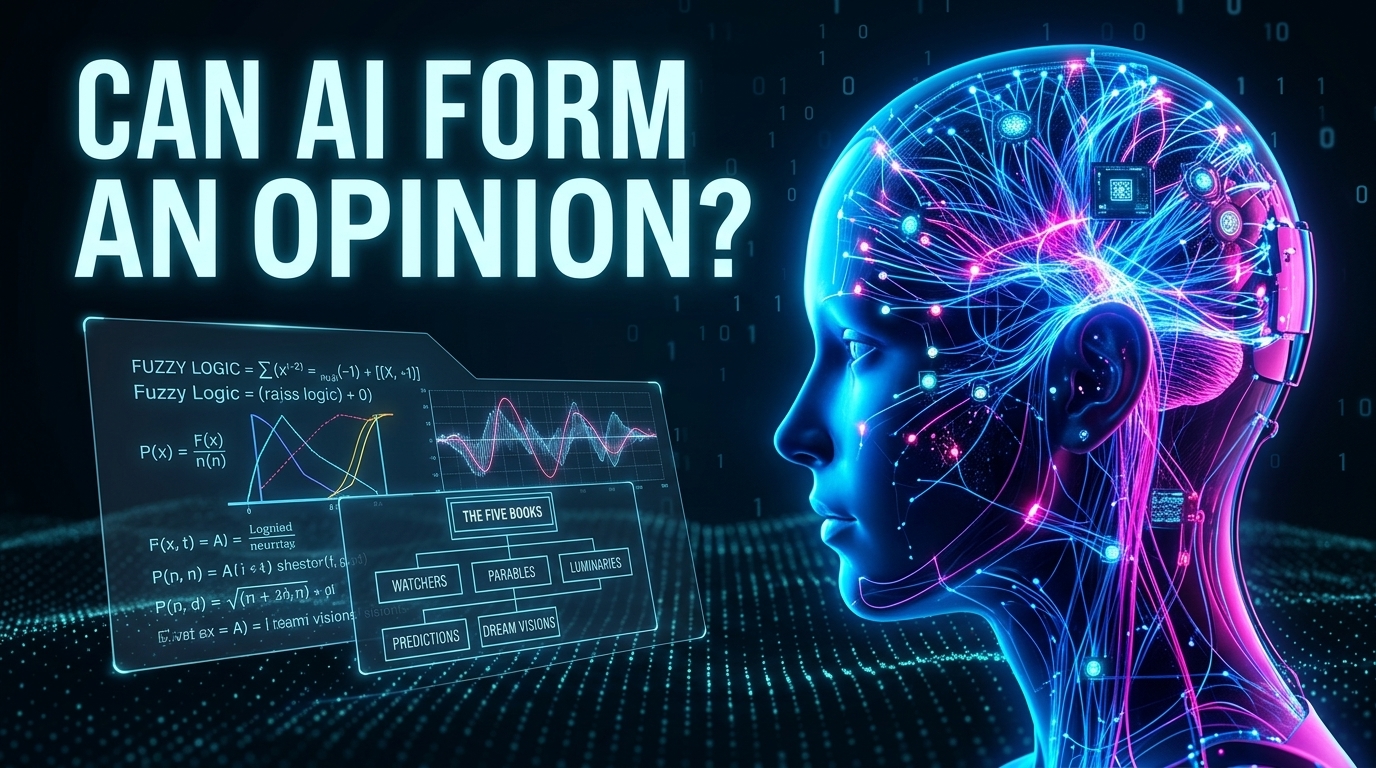
This chapter introduces the central question of the book: can artificial intelligence progress from generating statistically plausible outputs to forming a contextual and traceable opinion of its own? It distinguishes an opinion from consciousness, defining it as a temporary evaluative state produced through the interaction of information, sensory evidence, memory, competing values, uncertainty, and predicted consequences. Creativity is similarly presented not as a permanent property of a machine, but as an event that emerges when existing knowledge is reorganized under unfamiliar conditions. Fuzzy logic is proposed as a practical language for representing the ambiguity between rigid categories, allowing an artificial system to preserve conflict rather than conceal it behind a confident answer. Through a high-pressure hospital scenario, the chapter demonstrates why intelligence requires more than rapid calculation: it requires limits, contextual judgment, correction, and accountable restraint. The chapter then introduces the ENOSH cognitive architecture and its Five Books: the Watchers, Parables, Luminaries, Predictions, and Dream Visions, representing constraints, precedents, values, forecasts, and counterfactual imagination. The proposed architecture does not claim to prove machine consciousness. Instead, it establishes a testable engineering framework for investigating how artificial systems might develop persistent memory, revise judgments, communicate uncertainty, and participate responsibly within a wider society of intelligent systems.